.png)
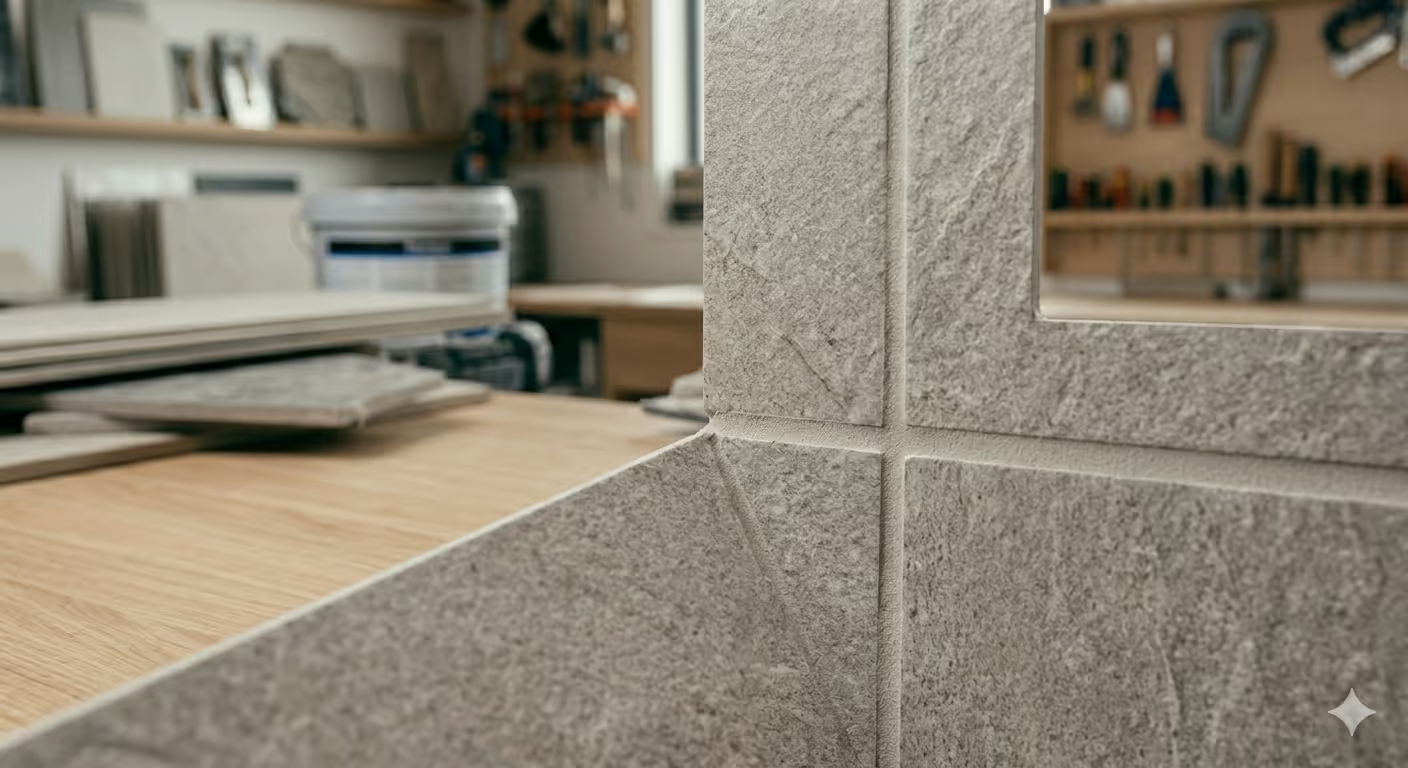
Grout is often treated as an afterthought - something that simply fills the gaps between tiles. In reality, it plays a vital structural and visual role. The right grout choice affects durability, hygiene, and the overall aesthetic of a room. Whether we’re completing contemporary kitchens in Essex or restoring bathrooms in Kent, we always remind homeowners that grout is one of the most important tile finishing touches in any project.
Matching vs. Contrasting: The Design Impact
When choosing grout color, the decision will shape how the entire tiled surface feels.
A grout colour that closely matches the tile creates a seamless and expansive appearance. This works particularly well with large-format tiles or minimalist interiors, helping the surface feel calm and cohesive.
By contrast, darker grout paired with lighter tiles introduces definition and structure. This “grid” effect can suit industrial-style kitchens, traditional metro tile layouts, or statement bathroom walls. It emphasises pattern and geometry rather than blending everything into one surface.
The key is deciding whether you want the tile layout to quietly complement the space or become a bold design feature in its own right.
Material Matters: Cementitious vs. Epoxy Grout
Understanding epoxy vs cement grout is just as important as colour selection.
Cementitious grout is widely used and cost-effective. It performs well in many residential settings but is porous, meaning it may require sealing to prevent staining or moisture absorption.
Epoxy grout is waterproof, highly stain-resistant and extremely durable. It is ideal for kitchens, wet rooms and high-traffic areas. However, it is significantly more complex to apply and sets quickly, leaving little room for error.
Because of this technical difficulty, epoxy installation is best handled through experienced professional tiling services. In homes across Kent, London and East Sussex, we often recommend epoxy where longevity and low maintenance are priorities.
The Secret to Longevity: Sealing and Maintenance
Even well-installed grout needs care. Professional sealing prevents discolouration and mould, particularly in moisture-heavy areas such as bathrooms and utility rooms.
Good grout maintenance includes using appropriate cleaning products, avoiding abrasive chemicals, and resealing when required. Many long-term grout issues stem from incorrect cleaning or skipped sealing during installation.
For more practical advice, check out our guide on maintaining and cleaning your tiles to keep your grout looking new.
Conclusion
Grout is not simply a filler, it defines the finish and supports the structure of your tiled surface. From colour decisions to selecting between cement and epoxy, every detail matters.
If you’re planning a project in Kent, Essex, London or East Sussex, we’re here to ensure your tiling achieves both design precision and long-term performance.
Beyond the Tile: How to Choose the Perfect Grout Color and Type
26/02/2026