.png)
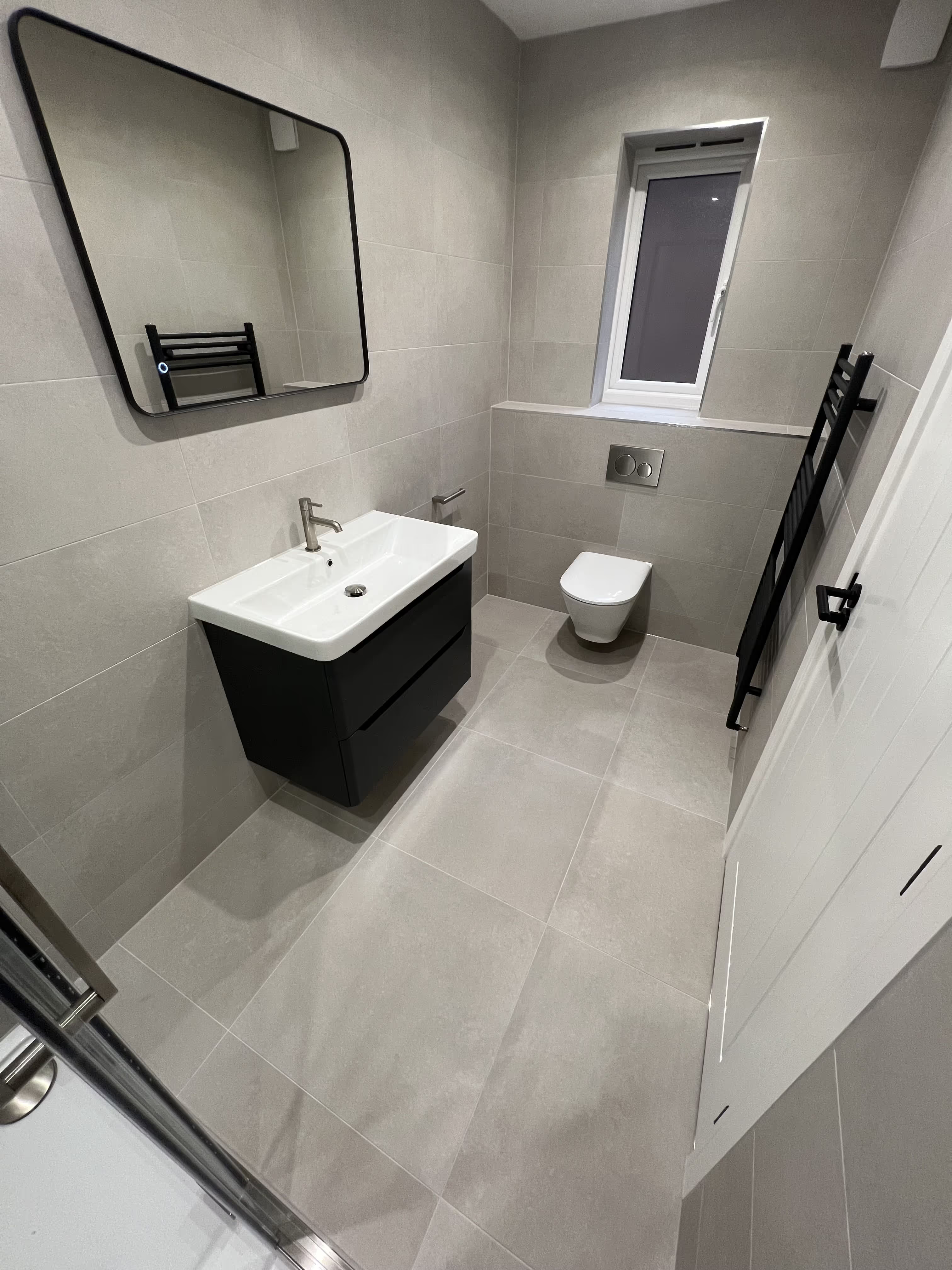
From compact bathrooms in London to open-plan kitchens in Kent, selecting the right tile size is one of the most important decisions in any tiling project. While colour and material often get the most attention, tile size plays a major role in how a space looks, feels and functions.
How Tile Size Affects Space
Tile size has a direct impact on spatial perception.
- Larger tiles create a more open, seamless look
- Smaller tiles introduce detail and texture
- The number of grout lines influences how busy or clean a space feels
In smaller homes across Essex and London, larger format tiles are often used to reduce visual clutter and make rooms appear bigger.
Key takeaway: Fewer grout lines generally result in a more modern and spacious appearance.
Large Format Tiles: When to Use Them
Large tiles, such as 600x600 or 600x1200 porcelain, are increasingly popular in contemporary homes.
They are ideal for:
- Open-plan living areas
- Modern bathrooms
- Minimalist kitchen designs
Benefits include:
- Cleaner aesthetic with fewer grout lines
- Easier maintenance
- Strong visual continuity across floors and walls
However, large tiles require precise installation and a perfectly level surface to avoid lippage (uneven edges).
Small Tiles: Where They Work Best
Smaller tiles still have an important place in design.
They are commonly used for:
- Feature walls
- Splashbacks
- Shower niches
Mosaic tiles, in particular, can add texture and interest to a space. In period properties across Kent and East Sussex, smaller tiles are often used to complement traditional features.
Balancing Design and Practicality
Choosing tile size isn’t just about aesthetics; it also affects installation and performance.
- Larger tiles require more preparation and skilled installation
- Smaller tiles can be more adaptable to uneven surfaces
- Grout maintenance increases with smaller formats
A professional tiler will assess the space and recommend the most suitable size based on both design goals and practical considerations.
Installation Considerations
Regardless of size, proper preparation is essential.
- Subfloors must be level and stable
- Correct adhesive must be used for tile weight and size
- Layout planning ensures symmetry and minimal waste
In homes across Kent, Essex, East Sussex and London, poor planning can lead to uneven finishes and unnecessary cuts, which impact the overall look.
Conclusion
The right tile size can completely transform a space, influencing everything from visual scale to long-term maintenance. Whether you’re designing a modern kitchen in Essex or updating a bathroom in East Sussex, selecting the correct format is key to achieving the best result.
For tailored advice and professional installation, working with experienced tilers ensures your project is both visually impressive and built to last.
Struggling to decide between porcelain or ceramic times? Read our guide on Porcelain vs. Ceramic Tile: Which is Best for High-Traffic Areas?
Choosing the Right Tile Size for Your Space
26/03/2026