.png)
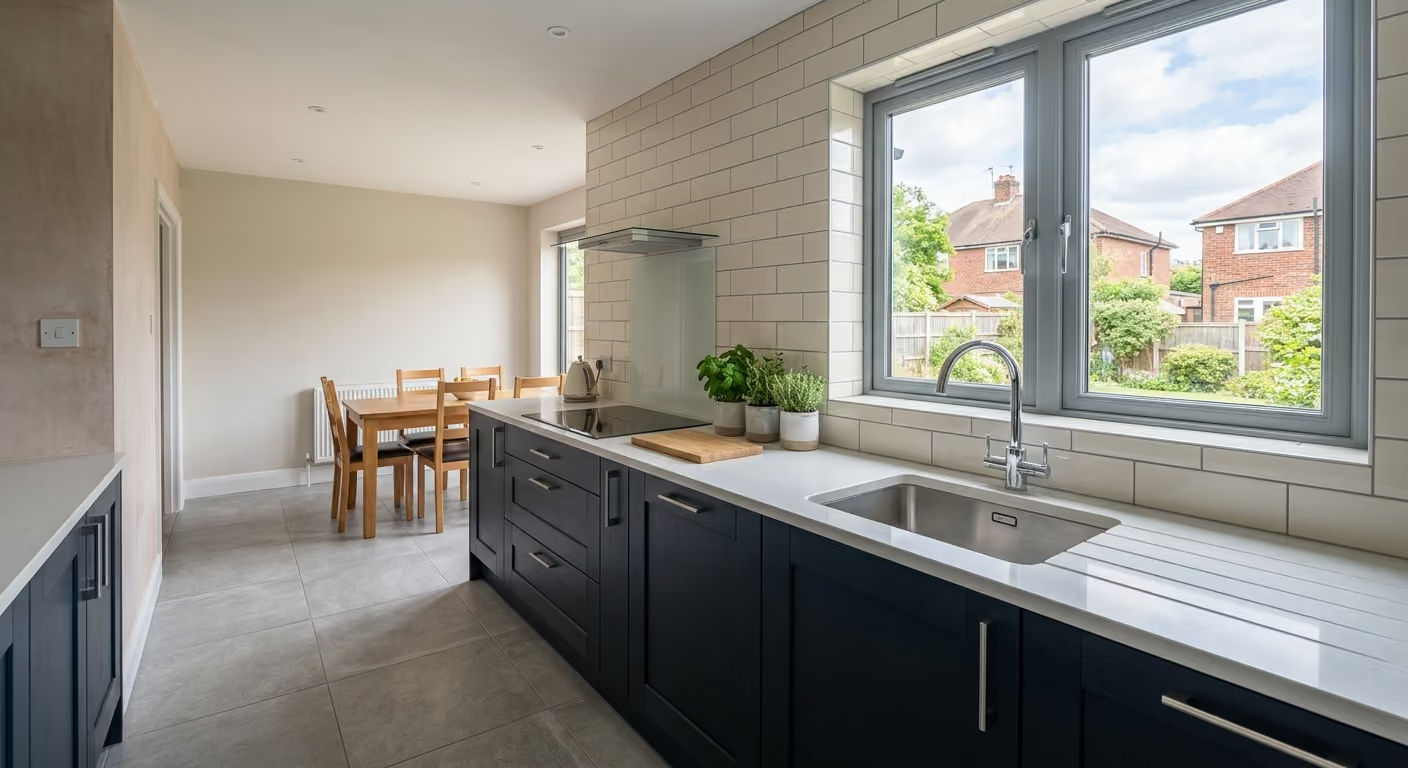
Ask three tilers to quote the same room and you'll probably get three different numbers. That's not because one of them is overcharging or another is cutting corners. Tiling costs depend on far more than square footage, and once you understand what's actually driving the price, quotes start to make a lot more sense.
We get asked about cost more than almost anything else, usually by homeowners in Kent, Essex, London or East Sussex trying to budget for a bathroom, kitchen or hallway renovation. Here's what genuinely moves the number up or down.
The Tile Itself
This is the most obvious factor, but it's worth breaking down properly. Cost varies hugely depending on:
- Material, with natural stone and large format porcelain generally costing more than standard ceramic
- Finish, since textured or hand-made looking tiles often cost more than a straightforward gloss or matt tile
- Size, as very large or very small formats can both push up material costs
- Origin, with imported specialist tiles typically costing more than mass-produced options
The tile itself is usually the most visible cost, but it's rarely the biggest factor in the overall job once labour and prep are factored in.
The Condition of the Surface Underneath
What's already there matters more than most homeowners expect. A subfloor or wall that's flat, dry and in good condition takes far less time to prepare than one that needs levelling, drying out, or having old tiles removed first.
Jobs that involve any of the following will generally cost more:
- Removing existing tiles or flooring
- Levelling an uneven subfloor
- Repairing damaged plaster or plasterboard
- Addressing damp before any waterproofing or tiling begins
This is often the biggest variable between two quotes for what looks, on paper, like the same size room. One property might need none of this. Another might need all of it.
Waterproofing Requirements
Bathrooms, wet rooms and any area near water need proper waterproofing before tiling starts, and this adds both material and labour cost. It's not an area worth skipping to save money, since the cost of fixing water damage behind tiles later is far higher than doing it properly the first time. We've gone into this in more detail in our post on why waterproofing matters before bathroom tiling, which is worth reading if you're planning a wet room or ensuite.
Room Shape and Layout Complexity
A simple rectangular room with no obstacles is quicker and cheaper to tile than one with alcoves, awkward corners, multiple doorways, or fittings like toilets and basins that need tiling around. More cuts, more edges and more precision all add time.
Layout choice affects cost too. A straightforward grid pattern is quicker to lay than herringbone, brick bond, or a design involving multiple tile sizes or a decorative border. None of these are wrong choices, but it's worth knowing they generally take longer to install.
Underfloor Heating and Other Additions
If you're adding underfloor heating beneath your new tiles, that's a separate cost on top of the tiling itself, covering both the heating system and the additional preparation it requires. We've covered how underfloor heating works with tiling in an earlier post, which is a useful read if you're weighing this up as part of a larger renovation.
Large format tiles can also affect cost slightly, since they require a very flat, well-prepared subfloor and sometimes specific adhesives to support their weight properly.
Access and Location
Practical factors like parking, floor level in a flat, or how far materials need to be carried can all have a small effect on time and therefore cost. It's rarely a huge factor on its own, but on jobs with genuinely difficult access, it's worth mentioning to whoever's quoting so it's reflected accurately from the start.
Why Two Quotes for "The Same Job" Can Differ
If you've had a few quotes back and they're not close to each other, it's worth asking what's included in each one. A lower quote might not include waterproofing, subfloor prep, or removal of old tiles, in which case it's not really the same job at all. A more detailed quote that breaks down labour, materials and prep separately is usually easier to compare fairly than one flat number.
It's a reasonable question to ask any tiler directly: what does this price include, and what would push it up if something unexpected turns up once work starts.
Getting a Fair, Accurate Quote
Tiling costs come down to more than the tiles you pick. The condition of what's underneath, whether waterproofing is needed, the shape of the room and the layout you choose all play a genuine part in the final number.
Understanding these factors makes it much easier to compare quotes properly and to budget realistically from the start, rather than being caught out by costs that only become clear once work is underway.
If you're planning a renovation in Kent, Essex, London or East Sussex, JB Tiling can provide a clear, detailed quote that explains exactly what you're paying for and why.
Tiling Costs Explained: What Actually Affects the Price
25/07/2026