How underfloor heating works
Underfloor heating warms the floor surface, which then gently radiates heat into the room. Instead of a radiator heating the air near one wall, the whole floor becomes a low-temperature heat source. The room feels warm at a lower air temperature, and there are no cold spots by the door or window.
There are two main types. Electric systems use thin heating cables or mats laid directly beneath the tiles, which makes them well suited to bathrooms, kitchens and renovations where floor height matters. Water-based systems circulate warm water through pipes and are more often used in new builds and extensions.
Why tile conducts heat so well
Porcelain, ceramic and natural stone are dense materials with good thermal conductivity. Heat passes through them easily, so the warmth from the system reaches the room quickly rather than being trapped beneath. Carpet and thick underlay, by contrast, act as insulation and slow the heat down.
Dense materials also hold heat. Once a stone or porcelain floor is warm, it releases that warmth steadily, which helps keep the room comfortable and the system running efficiently. That is why tile is widely considered one of the best floor finishes to put over underfloor heating.
Comfort, space and design benefits
Tile has a reputation for feeling cold underfoot. Underfloor heating removes that problem entirely, which is why the two are so often installed together in bathrooms and en-suites. Stepping out of the shower onto a warm floor is the reason many homeowners choose it.
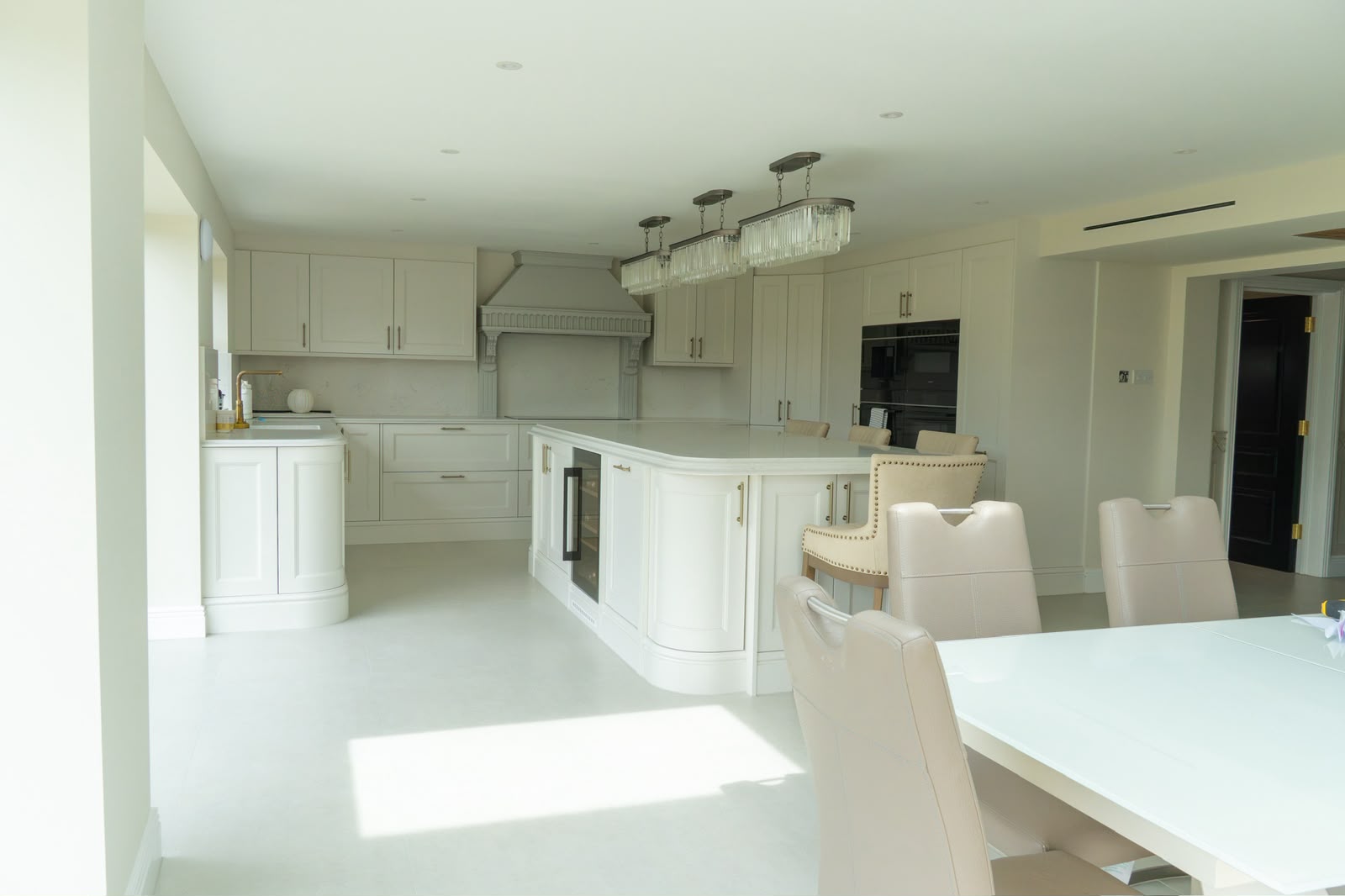
Removing radiators frees wall space for vanity units, storage or simply a cleaner look. A warm floor also helps a bathroom dry faster after use, which reduces condensation. In kitchens and open-plan rooms, large-format porcelain or natural stone over heating creates a seamless, comfortable floor that runs right through the space.
Choosing the right tile for a heated floor
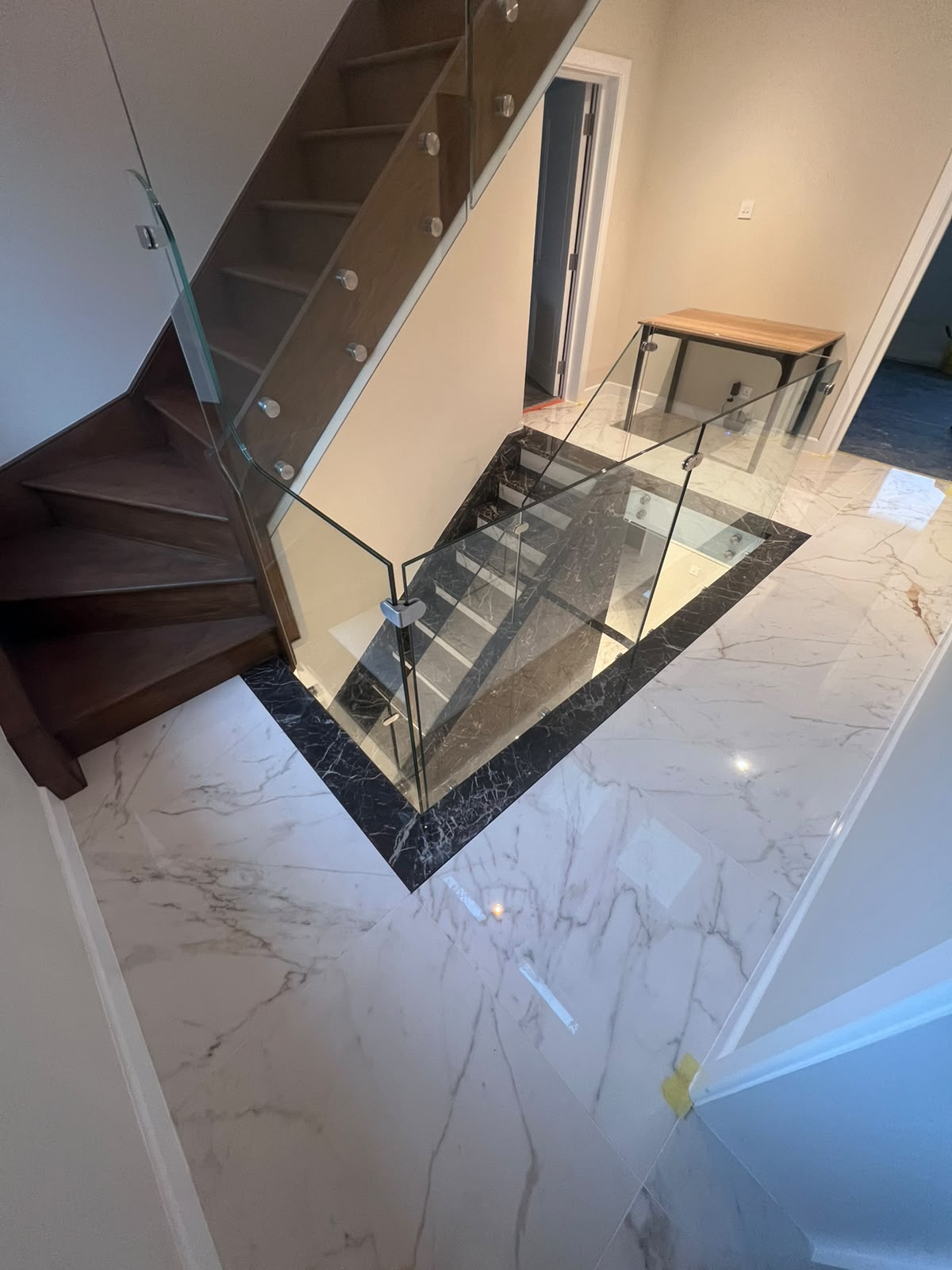
Most porcelain and ceramic floor tiles are suitable for underfloor heating, and porcelain is a particularly good choice because of its density. Natural stones such as marble and limestone also work very well and feel especially pleasant when warm, though they need sealing and the correct adhesive.
Check the tile manufacturer's guidance for use with underfloor heating, and avoid very thick tiles or stone unless the system is sized to suit, as extra thickness slows the warm-up time. Large-format tiles are fine, but they need a very flat base and full adhesive coverage to avoid hollow spots.
Installation details that matter
A heated floor expands and contracts slightly as it warms and cools. The installation has to allow for that movement. That means using a flexible adhesive and grout suitable for heated floors, leaving movement gaps around the edges of the room and, on larger areas, including movement joints.
Insulation boards beneath an electric system stop heat escaping downwards into the subfloor, so more of it goes up into the room. The heating cables or mats must be tested before, during and after tiling so any damage is caught before the floor is finished.
After tiling, the heating must not be switched straight to full temperature. The adhesive needs time to cure, and the system should then be brought up gradually in line with the manufacturers' instructions. Skipping this step is a common cause of cracked tiles and grout on new heated floors.
Common mistakes to avoid
The most frequent problems come from rigid adhesives, no insulation, no movement joints and turning the heating on too soon. Damaging a heating cable with a trowel or tile edge is another, which is why testing at each stage matters. Each of these is avoidable with the right preparation and products.
An electric underfloor heating system also needs to be connected and certified by a qualified electrician in line with UK wiring regulations, particularly in a bathroom.
Planning your heated tiled floor
Underfloor heating is easiest to add when a floor is being retiled or a bathroom is being refurbished, because the old floor is already up. If you are planning new tiles in a bathroom, kitchen or open-plan room, it is worth deciding on heating at the same time.
James and his team install electric underfloor heating beneath tiled and stone floors across Kent and South East London. Request a free estimate to talk through your room, the tile you have in mind and the best system for it.
Find out more about our electric underfloor heating installation in Kent or see examples on our work.
Common questions
- Which tile is best for underfloor heating?
- Porcelain is an excellent choice thanks to its density and conductivity. Ceramic and natural stone such as marble and limestone also work well when fitted with suitable adhesive.
- Will underfloor heating crack my tiles?
- Not when installed correctly with flexible adhesive and grout, movement gaps and a gradual first warm-up. Cracking usually comes from rigid products or heating the floor too quickly.
- Can underfloor heating go into an existing bathroom?
- Yes. Electric systems are thin and well suited to renovations, ideally fitted when the floor is being retiled.