
Natural Stone TilingMarble & LimestoneAcross Kent
Marble, limestone and other natural stone sorted for shade and veining, sealed correctly, and laid with tight, even joints, so the finished floor looks as good as the material it was cut from.
4.9 on Google · Best Exterior Project 2025, The Tilers Community · 1-year workmanship guarantee
£10m
Public liability insurance
1 year
Workmanship guarantee
7 years
Tiling experience
4.9
Google rating
From £55/m²
Fixed tiling prices
What natural stone tiling involves
Natural stone tiling covers marble, limestone, travertine and similar materials on walls and floors. No two pieces are identical, so colour, veining and thickness vary tile to tile, and the material is dry-laid and sorted before anything is fixed.
It covers supply advice, sorting, sealing and installation to bathrooms, hallways, kitchens and boot rooms, including sealing before grouting so the grout cannot stain the stone, and again afterwards to protect the finished surface.
It suits homeowners who want the real material rather than a printed porcelain imitation. Stone is more porous and less forgiving, so a shortcut that would go unnoticed on porcelain is often permanently visible here.
What you get
- Marble, limestone and other natural stone
- Dry-laid and sorted for shade and veining
- Sealing before and after grouting
- Tight, consistent joints
- Fixed prices, from £55 per m²
What it costs to leave it
What goes wrong with natural stone if it is not handled correctly
Unsealed stone stains. Marble and limestone are porous, so wine or bath oil can soak in and mark permanently, and once a stain is in the stone it is very hard to remove without professional restoration.
The second issue is inconsistent appearance: patches of different shade or veining sitting together because tiles were fixed straight from the pallet rather than sorted. It cannot be fixed after grouting without lifting tiles.
The third is grout staining. Grout pigment and haze can discolour unsealed stone during grouting itself, which is why sealing beforehand is not optional on a stone job.
Mistakes that cause it
- Fixing tiles straight from the box without dry-laying and sorting first
- Skipping the pre-grout seal, allowing grout to stain the stone
- Using an unsuitable adhesive that reacts with certain stone types
- Ignoring variation in tile thickness, leading to uneven joints and lippage
- Ordinary cleaning products used on stone, eroding the sealant over time
- Under-sealing large-format stone floors that see heavy daily traffic
How the work runs
A process you can follow
Step 1
Material selection and quotation
James advises on suitable stone types for the room and its use, and provides a fixed price after a site visit, based on area, stone type and finish.
Step 2
Dry-laying and sorting
Tiles are laid out dry across the room, sorted for shade, veining and thickness, and arranged so the pattern reads consistently before anything is fixed.
Step 3
Pre-sealing
The stone is sealed before grouting to prevent grout pigment and haze from staining the porous surface during installation.
Step 4
Fixing and grouting
Tiles are fixed to the sorted layout with full adhesive coverage and tight, consistent joints, then grouted carefully to avoid marking the sealed surface.
Step 5
Final seal and handover
A second seal is applied once grouting has cured, protecting the finished floor or wall from everyday use, and the work is covered by a 1-year workmanship guarantee.
What you actually get out of it
A floor that reads as one considered surface
Dry-laying and sorting before fixing means shade and veining flow across the room rather than clashing tile to tile.
Protection against staining from day one
Sealing before and after grouting protects porous stone from grout pigment during installation and from everyday spills afterwards.
A material that lasts decades when looked after
Properly sealed and fixed natural stone is extremely durable; it is the sealing and joint quality that determine how well it ages, not the stone alone.
Fixed pricing despite material variability
Even though stone varies tile to tile, the job is quoted and priced as a fixed job from £55 per m² after the site visit, so there is no surprise on cost.
£10m public liability cover
Insurance is in place throughout stone installation work in your home, including where heavy material or wet-cutting is involved.
Award-recognised tiling standard
James's tiling won Best Exterior Project 2025 from The Tilers Community, reflecting the same attention to setting out and finish applied to every job, stone included.
Natural Stone Tiling in detail
Marble, limestone and other stone types
Marble is prized for its veining and works well as a feature floor or splashback, but it is one of the softer, more porous stones and needs sealing maintained over its life. Limestone offers a more consistent, matte, often warmer appearance and is a common choice for hallways and boot rooms where a natural but slightly more forgiving surface is wanted.
Other stones, travertine, slate and similar materials, each have their own porosity and finish characteristics, and the sealing and adhesive approach is adjusted to suit the specific material rather than treated as one generic category.
Natural Stone Tiling: your questions answered
Stone tiling is priced from £55 per m² as a fixed price agreed after a site visit, since the cost depends on stone type, area and the amount of sorting and sealing required.
Stone is porous, and grout pigment can stain it permanently during installation if it is not sealed first. Sealing beforehand protects the surface while still allowing the grout to bond correctly.
Not if it is sorted properly, tiles are dry-laid and arranged for shade and veining before fixing, so the finished floor reads as one considered surface rather than a random mix.
It generally takes longer than porcelain because of the dry-laying, sorting and additional sealing steps. An exact timescale is confirmed at the site visit based on area and stone type.
All tiling work, including natural stone, carries a 1-year workmanship guarantee from handover.
Regular resealing and stone-appropriate cleaning products keep the surface protected; harsh or acidic cleaners should be avoided as they can strip the sealant over time.
James advises on suitable stone types and can guide sourcing, with installation, sorting and sealing carried out as part of the job.
Yes, including Sevenoaks, Tunbridge Wells, West Malling, Maidstone and the surrounding areas of Kent and South East London.
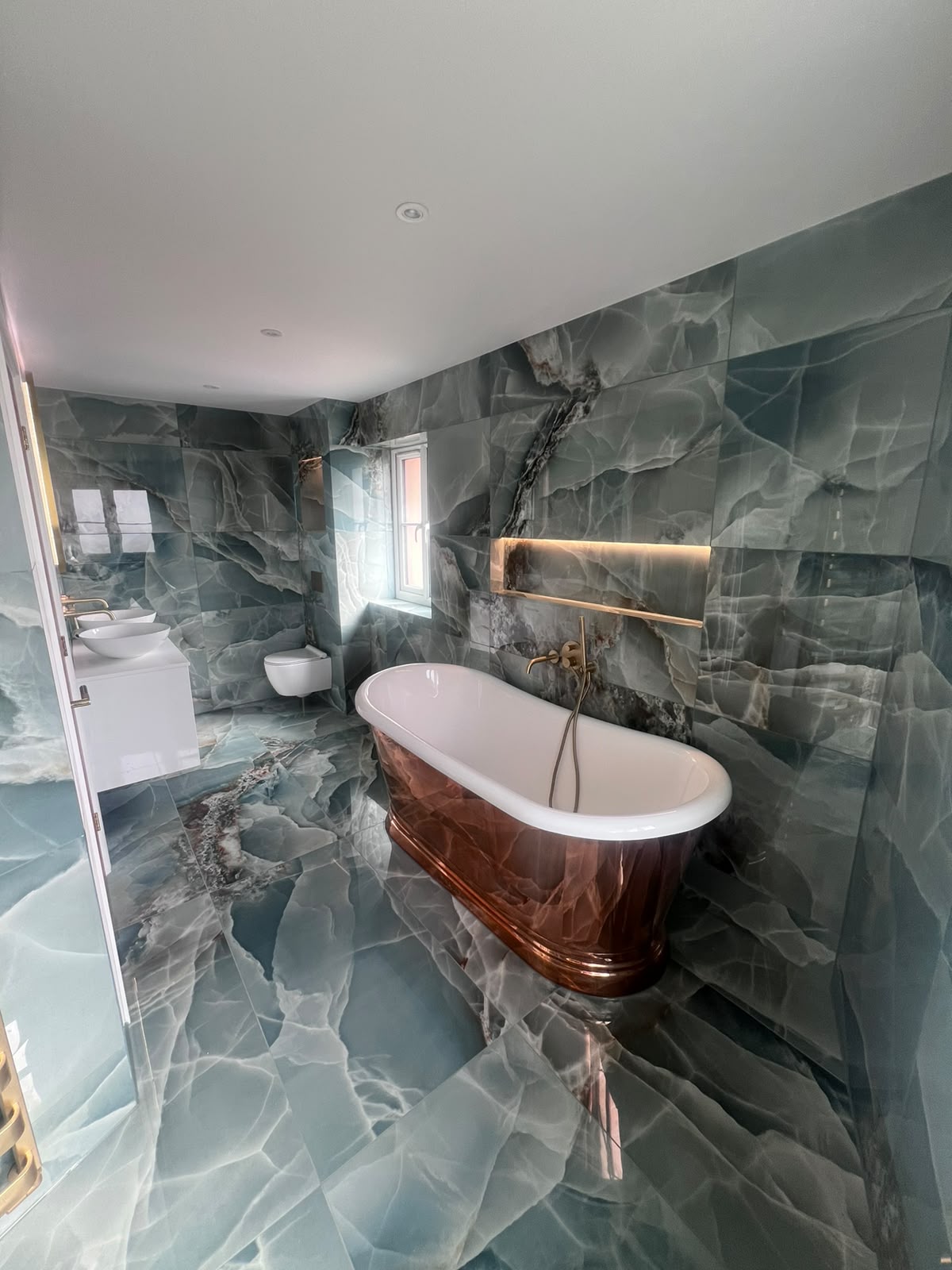
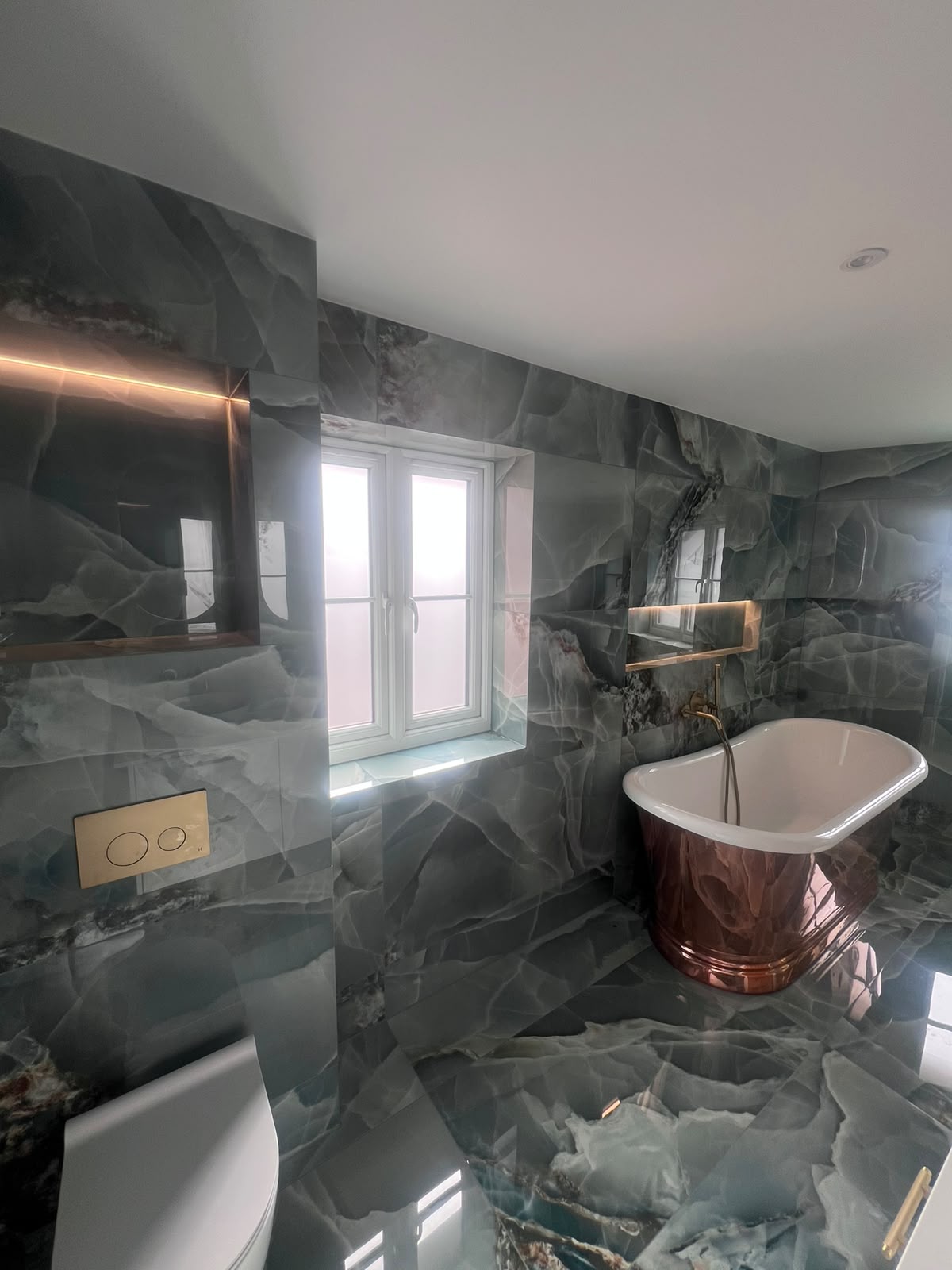
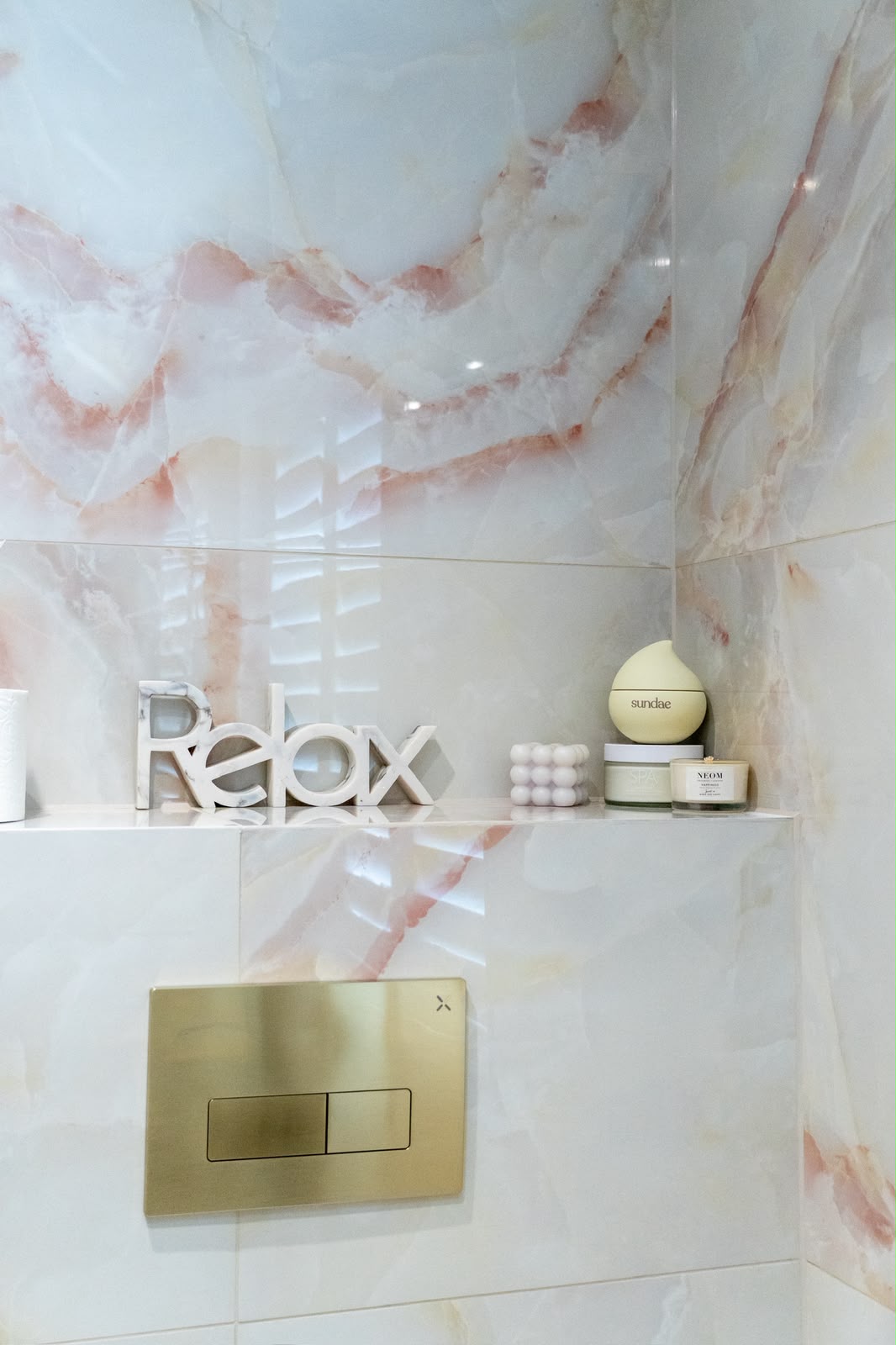
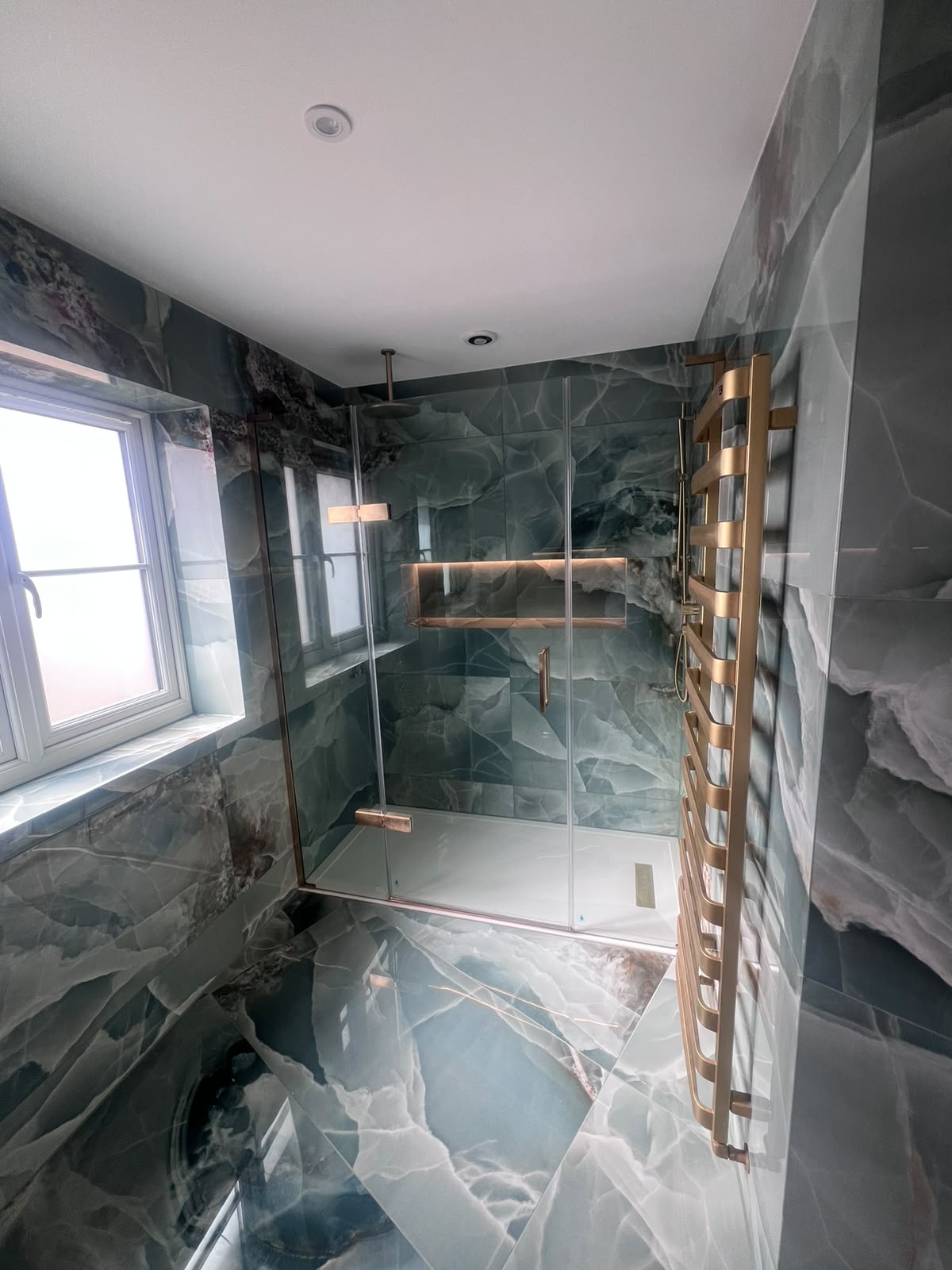
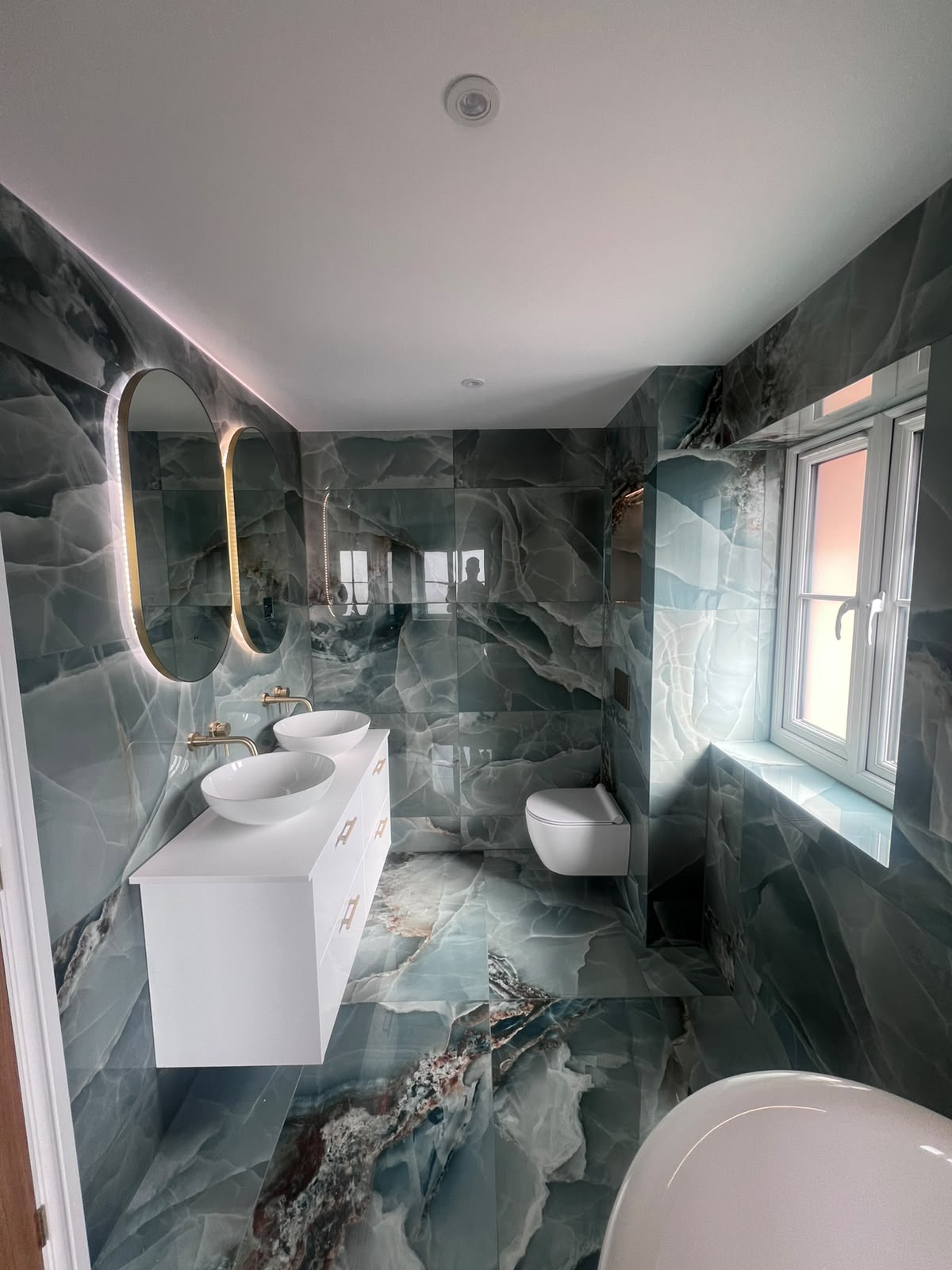
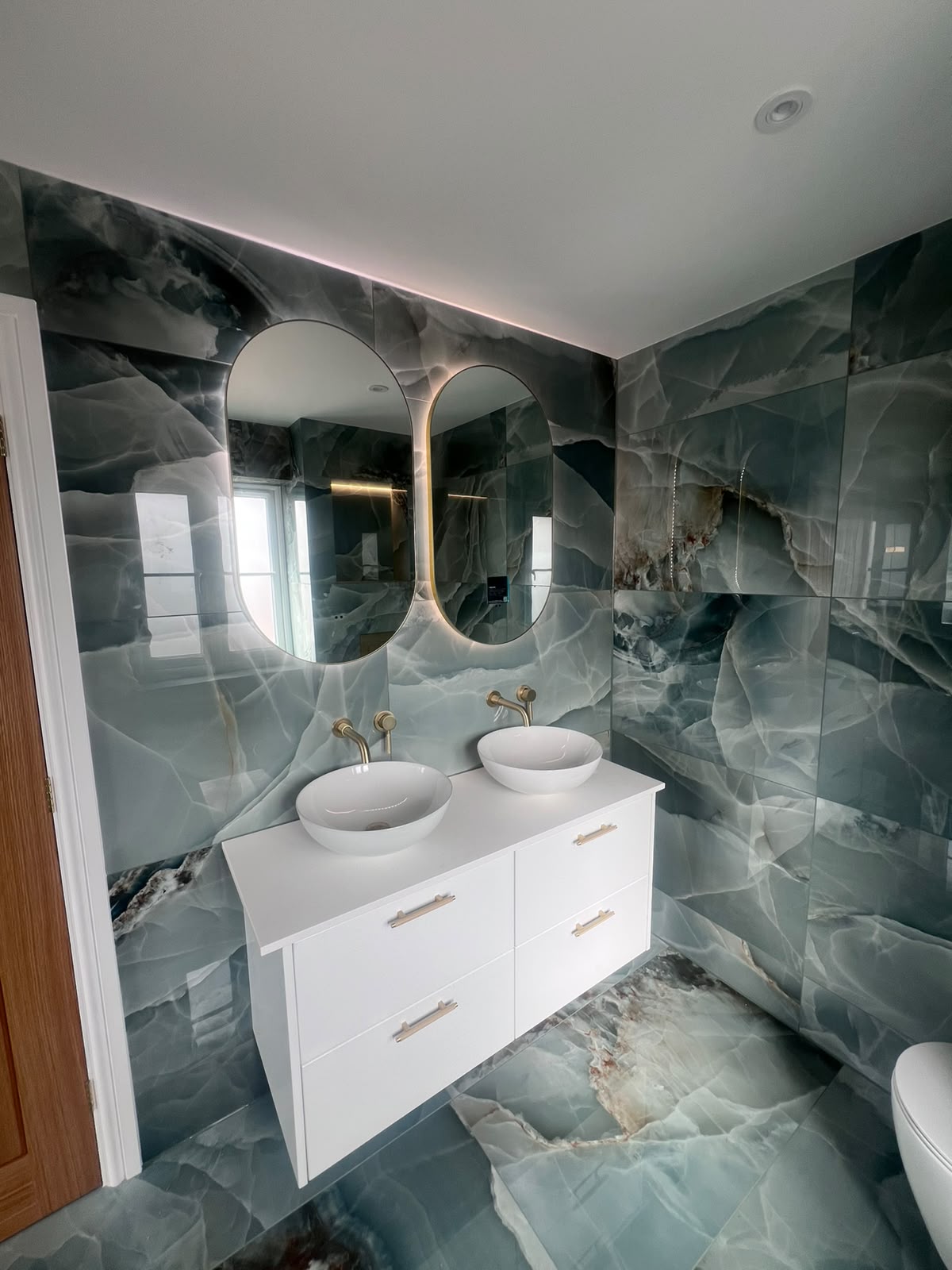
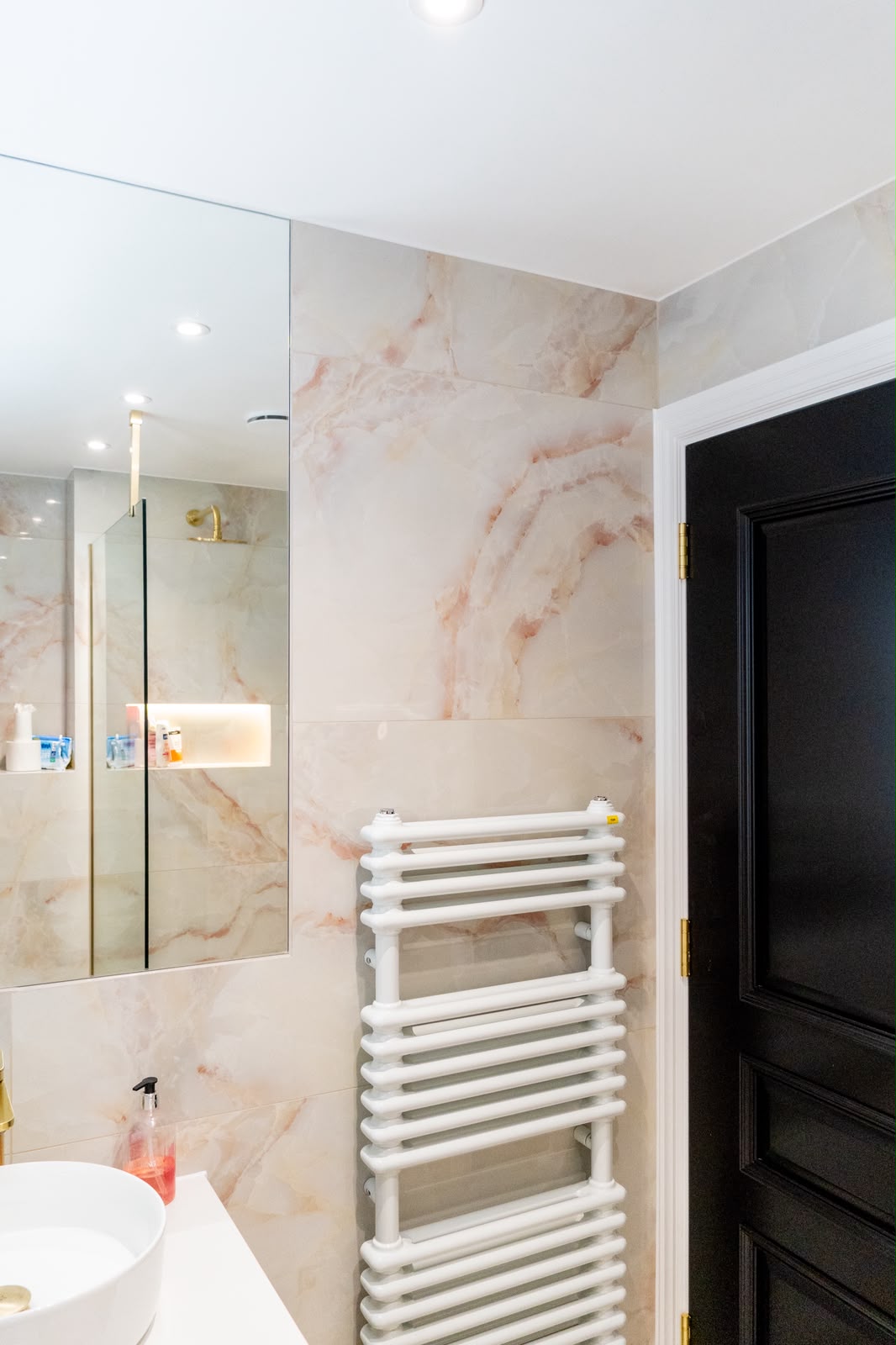
Natural Stone Tiling in Kent: recent work
Where James works
Sevenoaks · Tunbridge Wells · Chislehurst · Orpington · Goudhurst · West Malling · Beckenham · Bromley · Maidstone · Tonbridge · Sidcup · Bexley · Swanley · Dartford · Petts Wood · West Wickham · Pembury · Edenbridge · Westerham
See all service areas
Next step
Get a fixed price for
your natural stone tiling
Send a few details and James will arrange a site visit and a clear written quote, no obligation, no pressure. Prefer to talk it through first? Call 07863 778208, Mon–Sat, 7am–9pm.
Call 07863 778208- £10m public liability insurance
- 1-year workmanship guarantee
- Fixed prices with staged payments
Request your estimate
Tell James about the job and he'll come back with a clear, fixed price.
Typically answered the same working day, Mon–Sat, 7am–9pm.